

Choosing a camera in 2026 can feel weirdly stressful. One friend says DSLR is “dead.” Another says mirrorless is “overhyped.” Meanwhile, a beginner just wants sharp photos without regretting a purchase six months later. Fair.
The truth is both systems still take amazing photos. The “best” option depends on how a person shoots, what they shoot, and what they want the camera to feel like in their hands. That last part matters more than people admit.
This guide breaks down the real differences without turning into a tech lecture. No gatekeeping. No drama. Just practical clarity.
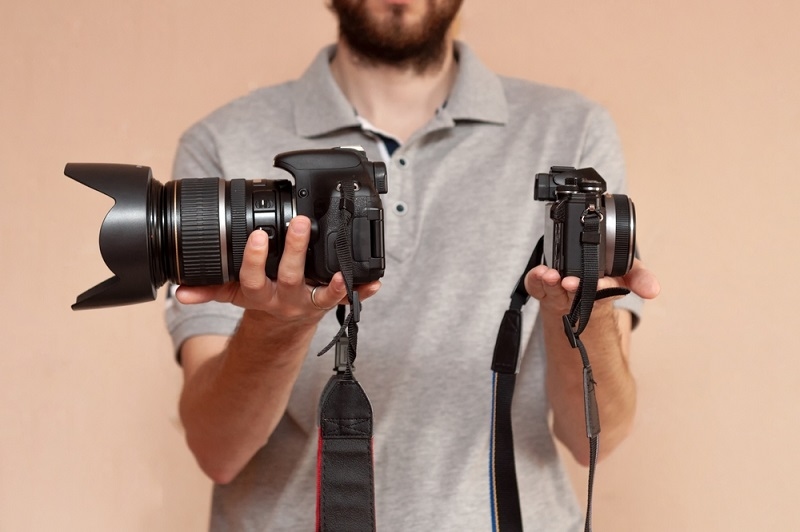
The phrase DSLR vs Mirrorless Cameras sounds like a fight, but it’s mostly about design. A DSLR uses a mirror mechanism that reflects light up into an optical viewfinder. A mirrorless camera removes that mirror, so the camera is smaller and relies on an electronic viewfinder or the rear screen.
That design difference affects everything: size, autofocus behavior, battery life, and how the camera “feels” during shooting. It also shapes lens ecosystems and upgrade paths.
For a beginner, it helps to think of it like two cars. Both can get you to the same place. One is older, proven, and familiar. The other is newer, often lighter, and packed with modern features.
Here is the simple breakdown of the Difference Between DSLR and Mirrorless Cameras.
DSLR: optical viewfinder, strong battery life, usually bigger bodies, and a long history of lenses and accessories. Many people love the direct, no-lag view through the lens.
Mirrorless: electronic viewfinder or screen, typically smaller bodies, and fast, modern autofocus that can track eyes and faces really well. What you see in the viewfinder is closer to what you will get in the final image.
That “what you see is what you get” benefit is a big deal for learners. Exposure previews, white balance previews, and real-time feedback can reduce guesswork.
Autofocus is one of the biggest reasons people lean mirrorless in 2026. Many mirrorless systems offer reliable face detection, eye tracking, and subject recognition. It’s not perfect, but when it works, it feels like cheating in a good way.
Sports, weddings, kids running around, pets doing chaotic pet stuff, mirrorless can keep up. It can also be quieter, which matters for ceremonies and candid moments.
That said, many DSLRs still focus quickly, especially higher-end models. But mirrorless has pushed autofocus tech forward fast, and it shows.
Some photographers adore optical viewfinders. They like the clarity and the “real” view. It feels immediate. No screen brightness tricks. No refresh rate. Just light.
Mirrorless viewfinders, on the other hand, show exposure changes instantly. Raise ISO, the view brightens. Change white balance, the view shifts. That’s helpful, especially for beginners.
People who shoot in low light sometimes prefer mirrorless EVFs because they can “see” better in dark scenes than with an optical viewfinder. It’s not magic, it’s amplification. But it feels like magic at times.
DSLR battery life is often better. Optical viewfinders do not require constant power like electronic displays do. For travel, long events, or back-to-back shooting days, this can matter.
Many DSLR bodies also feel like tanks. Some mirrorless cameras are equally durable, but the perception remains: DSLR equals rugged. Mirrorless equals sleek. That’s not always true, but it’s a common vibe.
A smart buyer asks one question: will the camera be carried and used often, or will it live in a bag because it’s too bulky? Comfort influences consistency.
For people asking about dslr vs mirrorless for photography, the genre matters.
People ask, Do professional photographers use DSLR or mirrorless? The answer is both, but the trend is clear. Many pros have moved to mirrorless for autofocus, size, silent shooting, and modern lens development.
Still, there are professionals who shoot DSLR because their workflow is built around it. They own lenses. They know the camera inside out. It works. For a paid job, reliability beats trendiness every time.
Also, skill matters more than gear. A professional can create stunning work with either system because they understand light, composition, and timing. The camera is a tool, not the talent.
On a Similar Note: A First-Timer's Fun Steps to Photography for Beginners
The big question: Is it worth switching from DSLR to mirrorless? It depends on what the person is gaining and what they are giving up.
Switching can make sense if:
Switching might not be worth it if:
A practical middle path exists. Some people keep a DSLR kit for certain jobs and buy a mirrorless body for travel or video. No rule says it has to be one or the other.
Lens choice matters more than camera bodies. A great lens can transform a “basic” body. A mediocre lens can hold back an expensive camera. DSLR systems, especially older mounts, have huge used markets. That can be a major win for beginners. They can build a strong kit for less money.
Mirrorless systems are expanding fast, with new lenses designed for modern sensors and autofocus. Prices vary, but the ecosystem is improving every year. Before buying, it helps to think three steps ahead. Not only “what camera today,” but “what lenses will be needed next year.” That is where long-term value lives.
If someone wants a quick decision framework, try this.
Choose mirrorless if:
Choose DSLR if:
Either way, the best camera is the one that gets used. A camera that stays home because it feels annoying to carry is not helping anyone.
Read More: What is a Maternity Photoshoot, Ideas & Practical Tips?
So, what should a buyer do in 2026? Start with priorities. Portability, autofocus, video needs, budget, and lens plans. The second mention matters here: DSLR vs Mirrorless Cameras is not a battle of quality anymore, it is a decision about experience and workflow. The Difference Between DSLR and Mirrorless Cameras becomes obvious once someone tries both in hand.
For many, DSLR vs mirrorless for photography comes down to what subjects they shoot most. When people ask Do professional photographers use DSLR or mirrorless? the honest answer is that pros use what works, but many are moving mirrorless. And for anyone considering upgrades, Is it worth switching from DSLR to mirrorless? is best answered by weighing lens investment against the benefits of modern autofocus and lighter gear.
Mirrorless is often easier for beginners because exposure preview and eye autofocus reduce guesswork. DSLR can still be great, especially on a budget.
DSLRs will not disappear overnight. Many people still use them and used gear will remain available for years. Mirrorless is simply where most new development is happening.
If someone already owns DSLR lenses and loves their results, upgrading within the same system can be smarter. Switching makes sense when the benefits clearly outweigh the cost.
This content was created by AI