

The coast can make a photographer feel confident and clueless in the same minute. One second the light looks perfect. The next second the sky goes flat, the waves get messy, and the frame that looked amazing in person somehow feels dull on the screen. Annoying, yes. Also normal.
That is why seascape photography can be so addictive. It looks simple at first. Water, sky, rocks, sand. Easy, right? Not really. The coast is always moving. Light shifts fast. Waves change the foreground every few seconds. Even the mood of a beach can flip in ten minutes.
Still, that is what makes it worth learning. Once a photographer understands how to work with timing, composition, and changing conditions, coastal scenes start opening up in a very different way. The images feel less random. More intentional. More alive.
These 12 tips help with exactly that.
A coastline gives a lot, but it also asks for patience. There is movement everywhere. Water reflects light in unpredictable ways. Wind shakes the tripod. Salt spray gets on the lens. And unlike a city street, the coast does not care if someone is ready. It just keeps changing.
That is why beginners often come home with photos that looked better in their head than they do on the card. They saw drama, but the photo looks flat. They saw color, but the image feels washed out. It happens.
The good news is that most of the problem is not talent. It is technique. Once they start treating the shoreline less like a postcard and more like a living scene, the results improve fast.
This is one of the most useful landscape photography tips, and it matters even more by the ocean. Good light does not wait around. A photographer who shows up exactly at sunset has usually already missed the softer build-up before it.
Getting there early helps with more than light anyway. It gives time to walk the area, study the tide, check where waves are landing, and find a foreground that actually works. Rushing straight into shooting usually leads to average frames and soggy shoes.
Even twenty or thirty extra minutes makes a difference. More if the location is unfamiliar.
A lot of coastal photos fail because they are all background. Nice sky. Nice water. No anchor.
Foreground gives the viewer something to step into. Rocks, shells, seaweed, tide pools, driftwood, textured sand, even footprints if they fit the mood. These details add depth and help the whole frame feel layered instead of empty.
This matters a lot in coastal photography, where the horizon alone is rarely enough to carry the image. Without a foreground, a beach scene can start feeling very one-note. Pretty, maybe. Memorable, not always.
So before pressing the shutter, ask a simple question: what is happening in the front of the frame?
The coast changes faster than many beginners expect. A perfect rock formation may disappear under water. A calm foreground pool may vanish. That dreamy little curve of wet sand may turn into a mess of foam.
That is why tide awareness matters. It helps with both creativity and safety. A photographer who understands whether the water is moving in or out can predict better compositions and avoid standing somewhere dumb. Which does happen. Often once.
For beach photography tips, this one is huge. A location can look completely different at low tide and high tide, and the strongest image may depend on choosing the right moment, not just the right place.
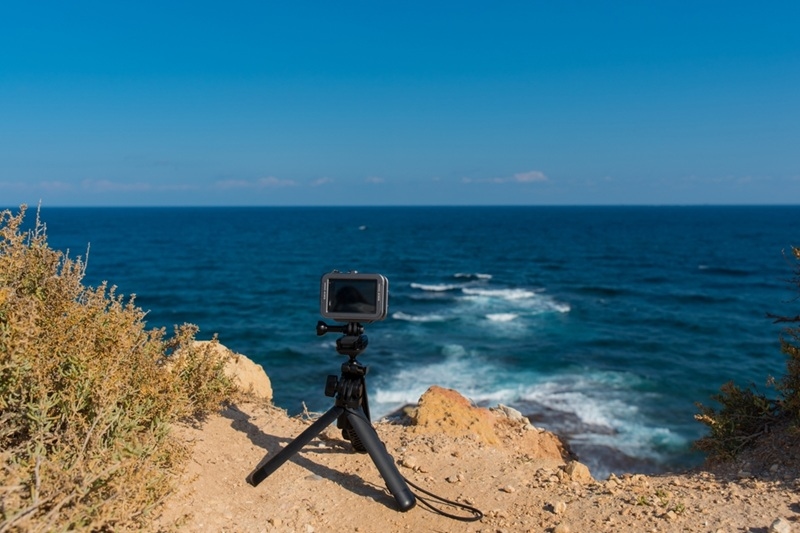
Handheld coastal shots can work, especially in brighter conditions. But once the light gets softer, a tripod becomes one of the best tools a photographer can bring.
It helps with longer exposures, more careful framing, and sharper images when shutter speeds slow down. It also forces people to slow down and think. That alone improves a lot of photos.
This becomes especially important in ocean photography, where photographers often want to blur water slightly or wait for the right wave pattern to move through the frame. A tripod makes those choices easier and far less frustrating.
Not glamorous. Very useful.
A lot of people hear “seascape” and immediately go for the longest exposure possible. That can look beautiful, sure. Soft water, dreamy movement, silky waves. But it is not the only option.
Fast shutter speeds can freeze crashing surf and show texture. Medium shutter speeds can keep some movement while holding shape. Longer shutter speeds can smooth the scene into something calm and minimal.
This is one of the best photography tips for beginners because it teaches experimentation. The same location can tell different stories depending on shutter speed alone. So shoot one version at a faster speed. Then another slower. Compare. The coast gives enough motion to make that test worthwhile every time.
This sounds painfully obvious. It is still one of the most common mistakes in coastal work.
A crooked horizon can make an otherwise strong image feel off immediately. The viewer may not always know why it looks wrong, but they feel it. Water is especially unforgiving that way.
So check it in camera. Then check again in editing. A tiny adjustment can save a frame.
Among all landscape photography tips, this one is boring and essential. Sometimes the boring stuff is doing the heavy lifting.
You May Also Like: Composition Techniques That Strengthen Every Photo Shot
Centered horizons can work, but not by default. If the sky is amazing, give it more space. If the foreground and water are stronger, lower the horizon and let the land or sea lead.
Too many coastal images split the frame in half without a real reason. The result often feels static. Balanced, maybe, but not compelling.
A better habit is to ask what matters more in that moment. Sky or shore? Once that answer is clear, composition gets easier.
This is where seascape photography starts looking more thoughtful and less accidental.
A bright blue sky is fine. But honestly, some of the best coastal images happen in moodier conditions. Clouds add shape. Mist adds atmosphere. Wind adds energy. Even a stormy sky can make a shoreline look more dramatic and honest.
Too many photographers only trust “nice” weather. That can limit the work fast.
In coastal photography, imperfect conditions often give stronger photographs because they add character. A quiet gray morning, for example, can say much more than a postcard sunset if the composition is good. So do not pack up just because the sky is not cheerful.
Standing eye level is often the default, which is exactly why so many frames look ordinary.
Kneeling lower can exaggerate foreground texture, stretch reflections, and make a small subject like a tide pool or shell feel much more important. It also changes how waves move through the frame.
For beach photography tips, this one works especially well on wet sand, where reflections and leading lines become more obvious from a lower angle. Yes, knees may get sandy. That is part of it.
Sometimes the better composition is six inches off the ground.
This tip is not artistic, but it saves photos. Salt spray sneaks onto the lens quickly, and one tiny smear can soften the whole image. Sand is just as annoying, especially in wind.
Bring a microfiber cloth. Wipe the front element often. Shield the camera when waves break harder than expected. Keep the bag zipped when not using it. Small habits. Big payoff.
A lot of beginners blame softness on focus when the real problem is just sea spray. Happens more than they think.
Not every coastal image needs a person in it, but sometimes one small figure can transform the scene. It adds scale. Emotion. Context.
A lone walker on a beach, someone standing near rocks, a silhouette at the shoreline. These touches can help viewers understand just how big the landscape really is.
This works well in ocean photography, especially when the scene feels grand but hard to measure. A person gives the eye a reference point without stealing the whole frame.
Used carefully, it can make the image feel more alive.
A lot of people leave too early. The sun dips, they assume the show is over, and off they go.
But coastal light often gets better after sunset. Colors can soften, reflections can deepen, and the whole beach can settle into a quieter mood. Blue hour is especially good for long exposures and calm, reflective images.
This is one of those photography tips for beginners that feels small until they try it. Then suddenly they realize some of their best images happened after everyone else packed up.
Which is honestly a satisfying feeling.
On a Similar Note: How Does Slow Travel Photography Elevate Images Deeply?
The coast rewards patience more than speed. A photographer does not need the most expensive camera or the wildest location to make something strong. What they need is observation. Timing. A willingness to stay with a scene long enough for it to reveal what is actually interesting.
That is the real lesson in seascape photography. It is not about collecting pretty beaches. It is about reading light, water, weather, and space with a little more care.
Once they start doing that, their photos change. Not all at once. But enough to notice.
And that is usually how better work starts.
A wide-angle lens is usually the first choice because it captures more of the coastline, sky, and foreground. Still, a standard zoom or short telephoto can also work well for isolating distant rocks, waves, or light on the horizon.
Yes, absolutely. A phone can handle coastal scenes very well if the photographer pays attention to composition, light, and lens cleanliness. The biggest difference usually comes from timing and framing, not from owning bigger gear.
RAW is usually the better option because coastal scenes often contain bright skies, dark rocks, and reflective water all in one frame. That extra file flexibility makes editing exposure and color much easier later.
This content was created by AI